
Mobile boarding app for airline agents
ALASKA AIRLINES Fast Flexible Service
Reducing flight delays and improving passenger experience gives us an advantage over our competitors.
0:00 / 0:00
Situation
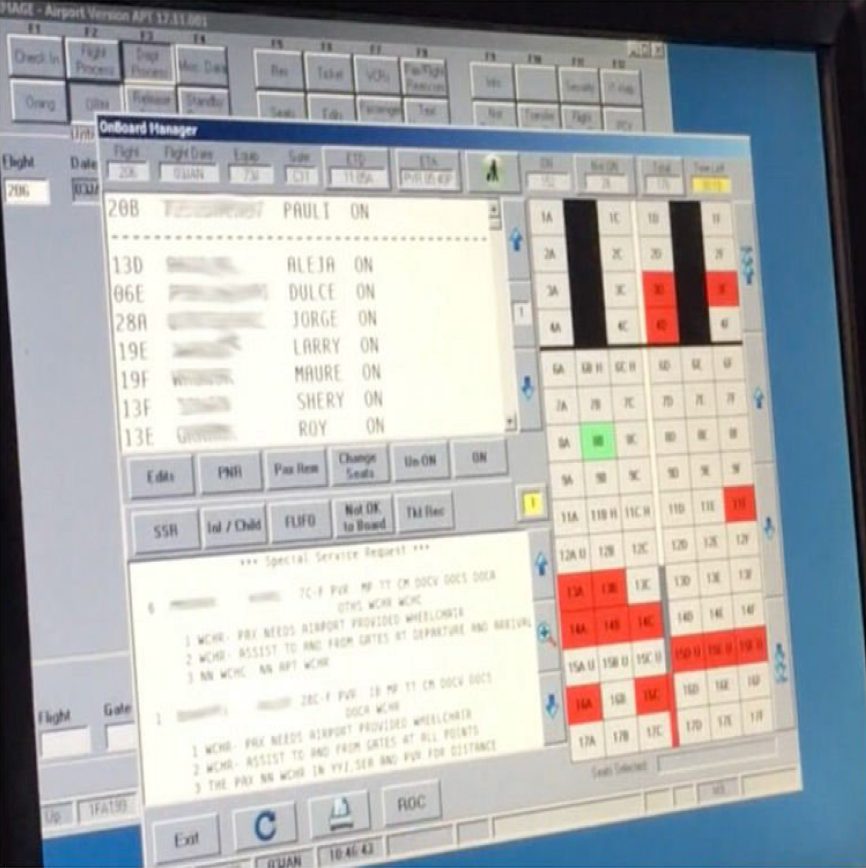
The airline had been running its airport operations using very antiquated enterprise software. It was process heavy and required several analog touches to complete common tasks. The mobile operations team divided airline employee tasks into four dedicated native mobile apps for the iPad mini. My focus was on the boarding process.
Role
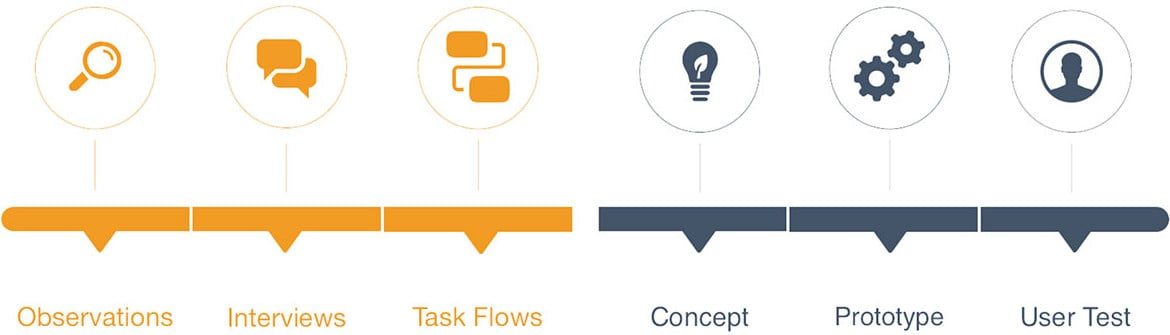
As the product design lead I was responsible for breaking down large ambiguous problems into simple solutions and driving them from user research through to delivering pixel perfect assets. This included gaining buy in and working with a cross-functional team of PMs, front and back end engineers, policy and procedures and legal.
Boarding app
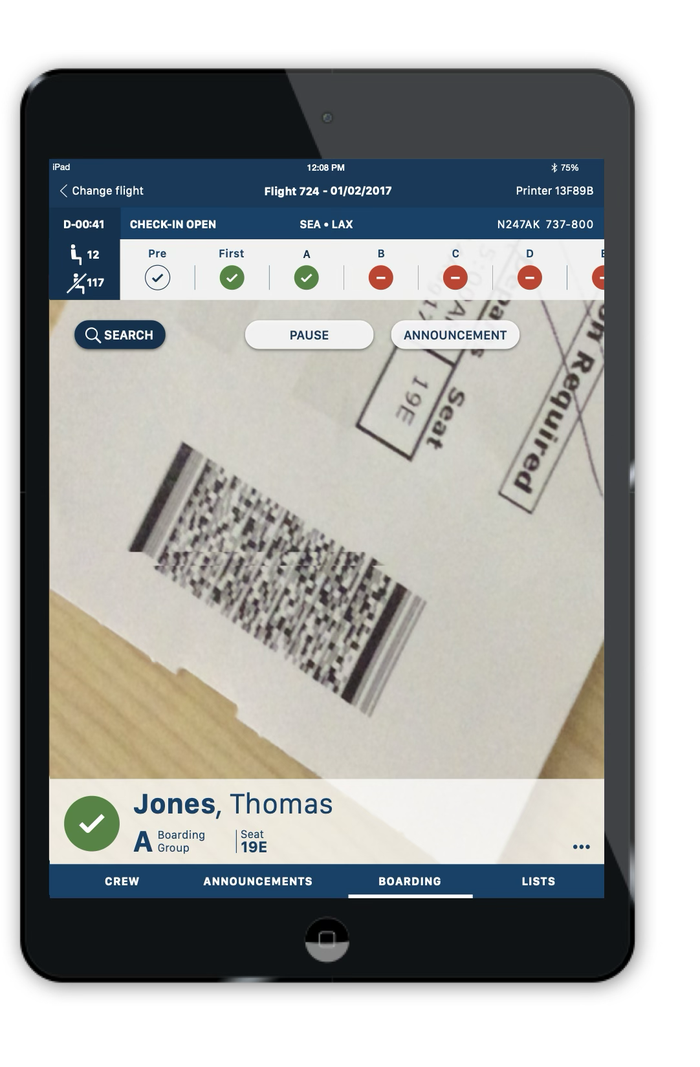
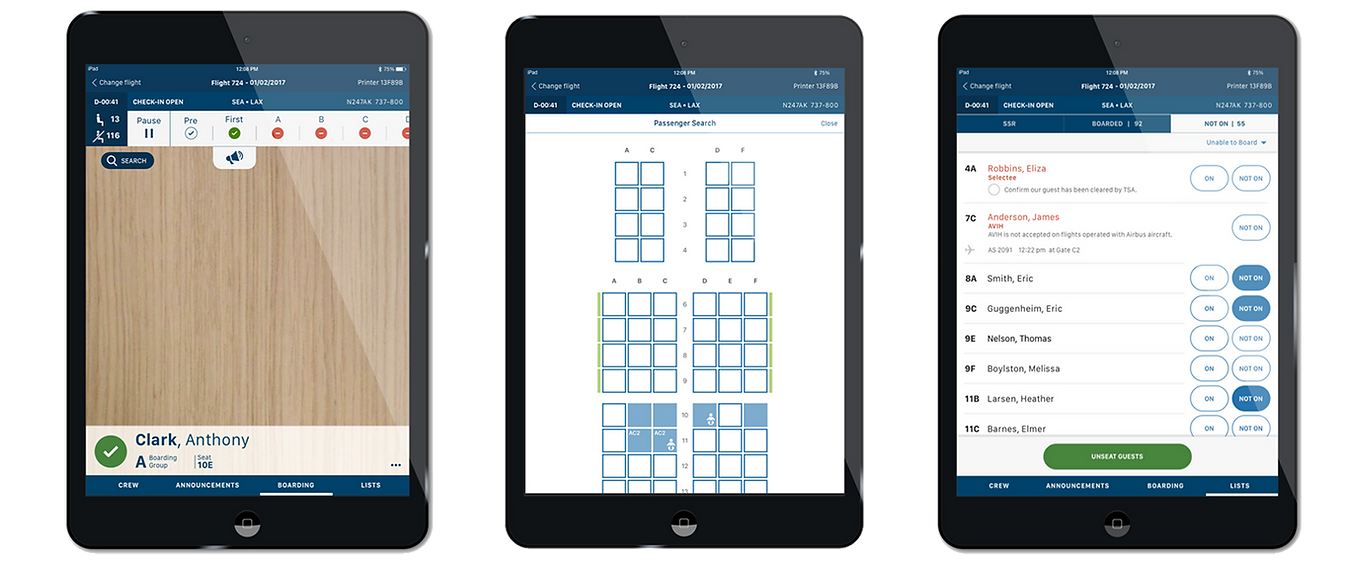
I completed and shipped 90% of the mobile boarding app that, in its first five months, successfully boarded over a million passengers. This product supports multiple agents in the completion of several tasks under tight timelines from D-60(pre boarding) down to D-0(flight closure)
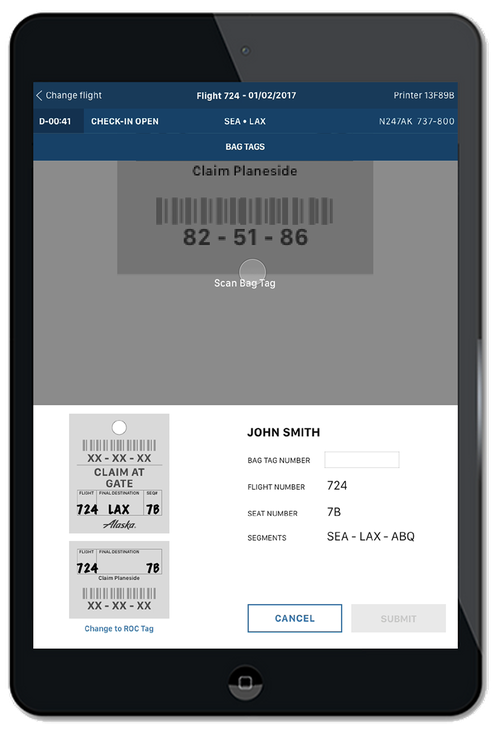
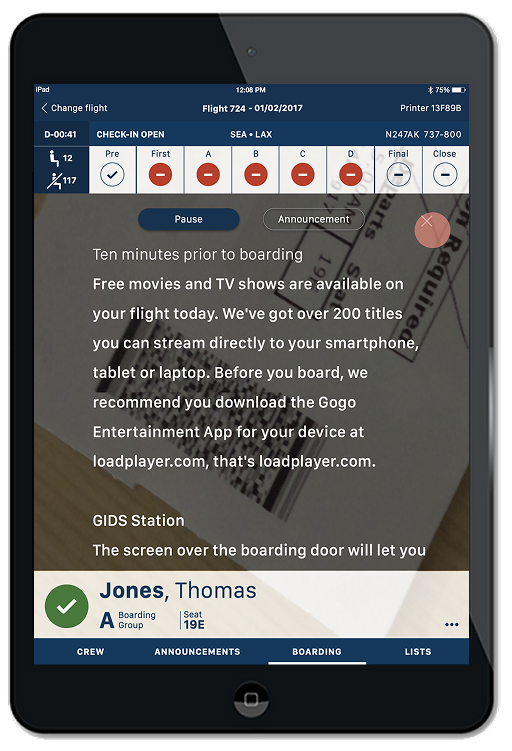
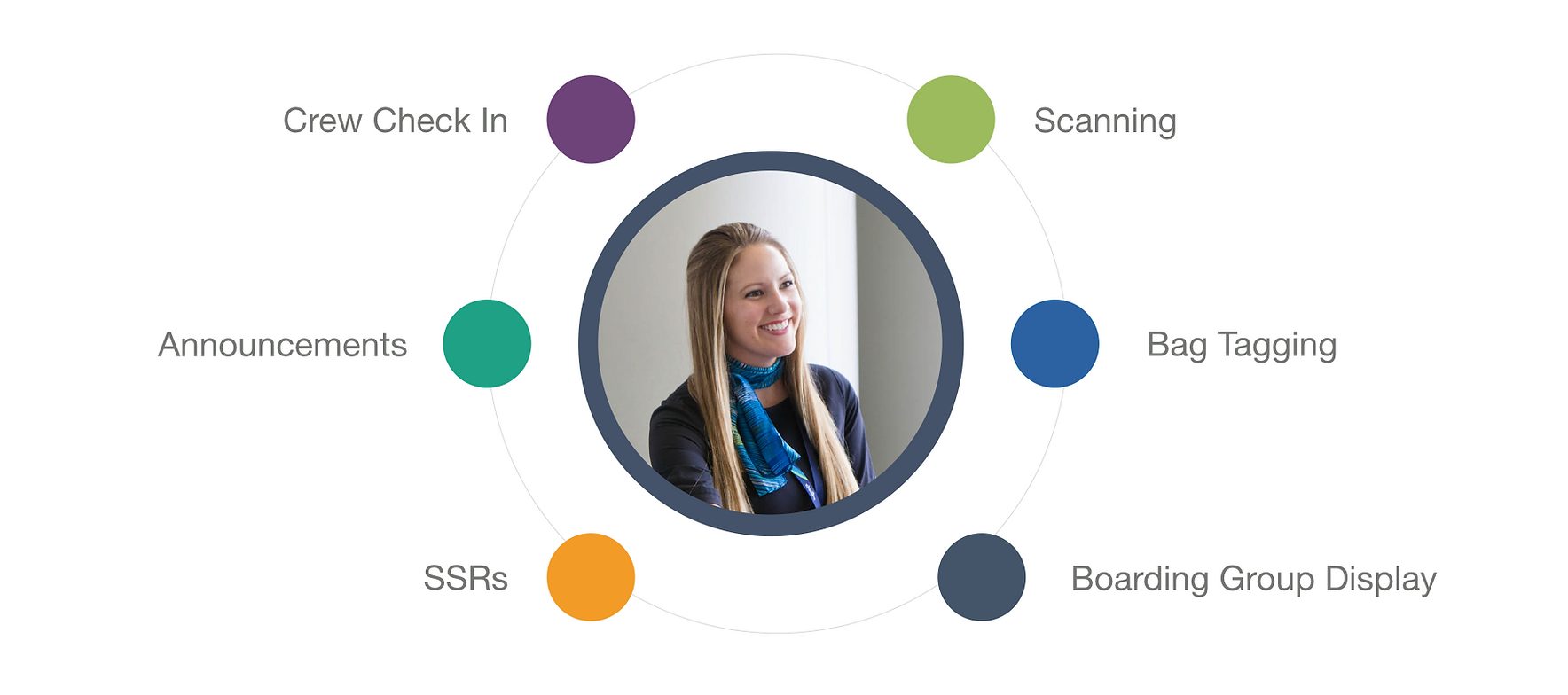
Several procedural features include: scanning boarding passes, tagging luggage, resolving reservation issues, crew verification, announcements, and gate display control.
iPad stand & target
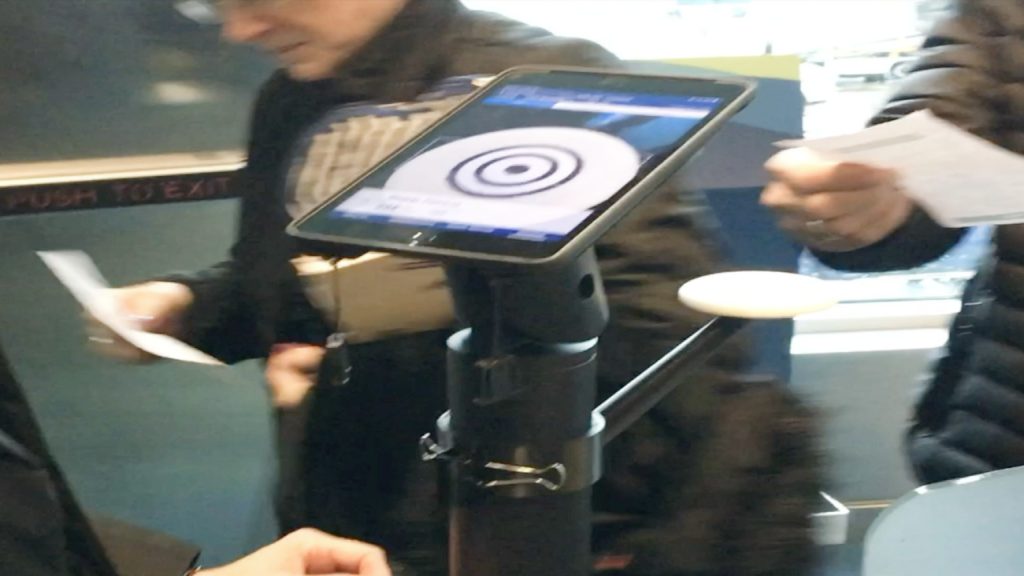
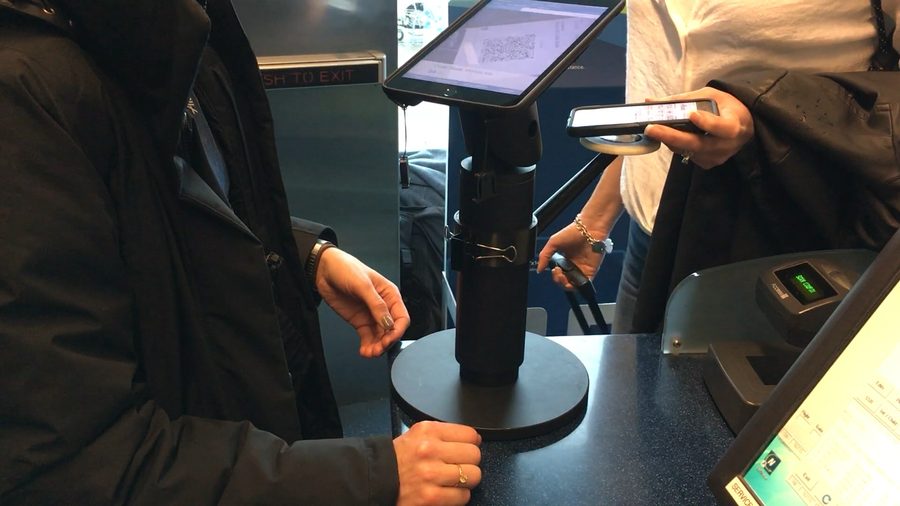
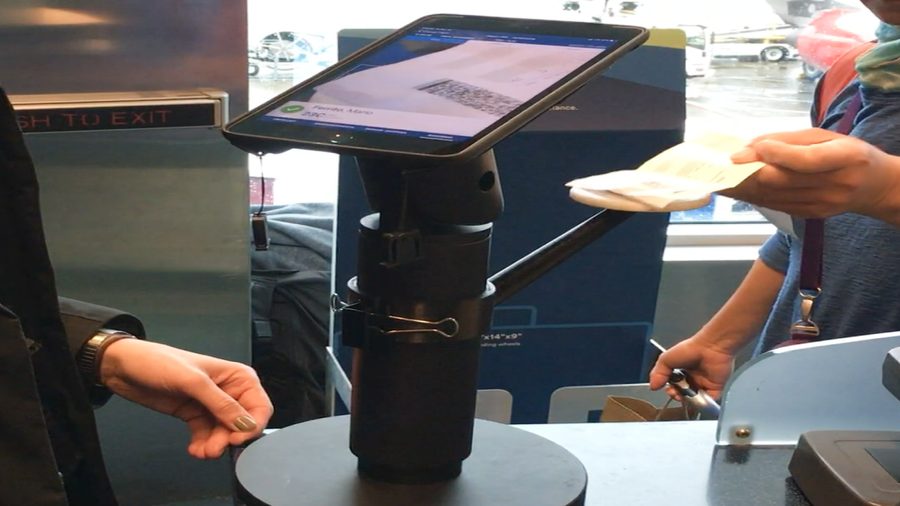
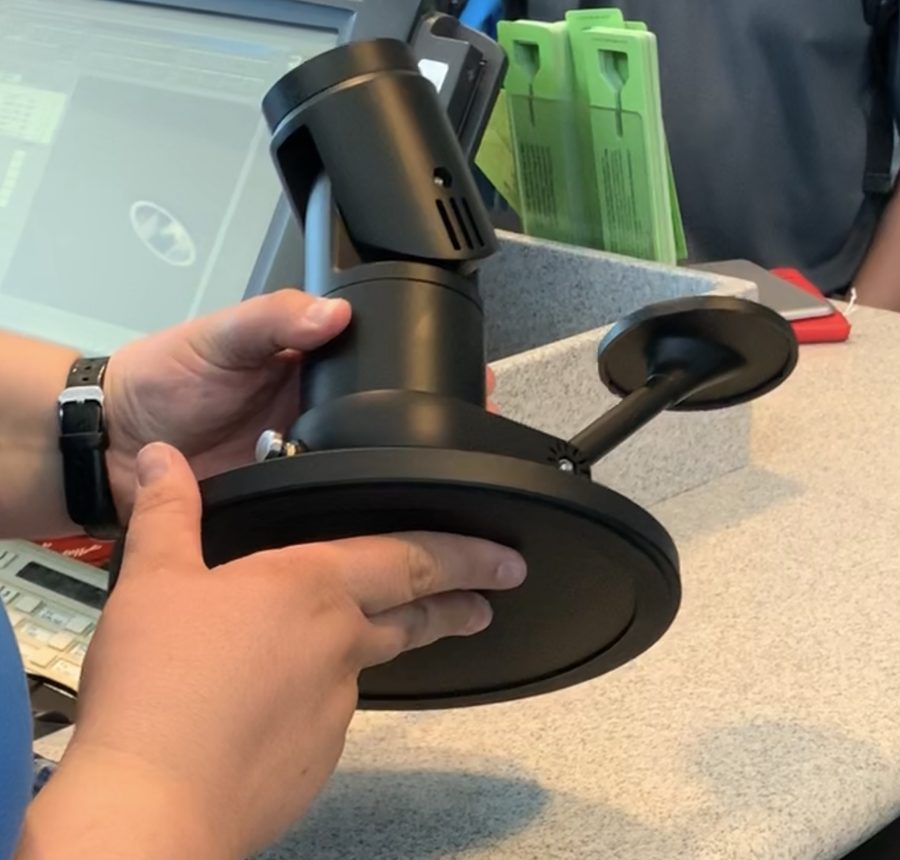
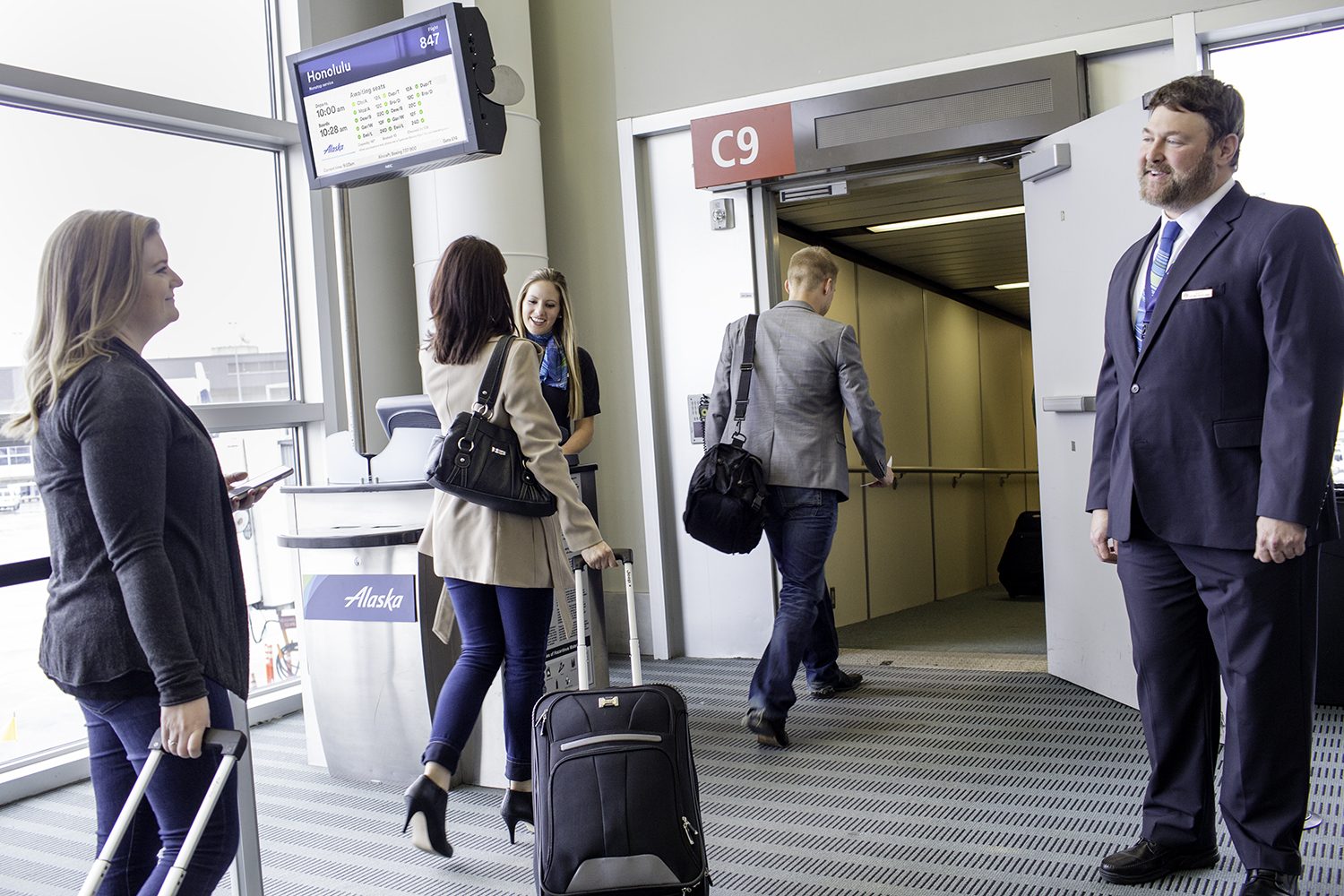
We started with the problems beyond existing software app needs and discovered opportunities to improve scanning boarding passes and reducing airline agent fatigue. This iPad stand with boarding pass target allows passengers to scan their own passes faster than the previous hand scanning methods. The iPad stand is now at all Alaska Airline gates throughout the US.
Impact
195 Million
Passengers boarded since 2020.
In a wildly successful debut, the Alaska Airlines boarding app moved 1 million passengers through the gates in its first month, contributing to nearly 200 million successful boardings to date. The feedback from gate agents was overwhelmingly positive, and the smoother process translated directly into fewer delays and happier travelers.s, while proactive end-of-life warnings gave customers a new sense of confidence and control over their appliances.